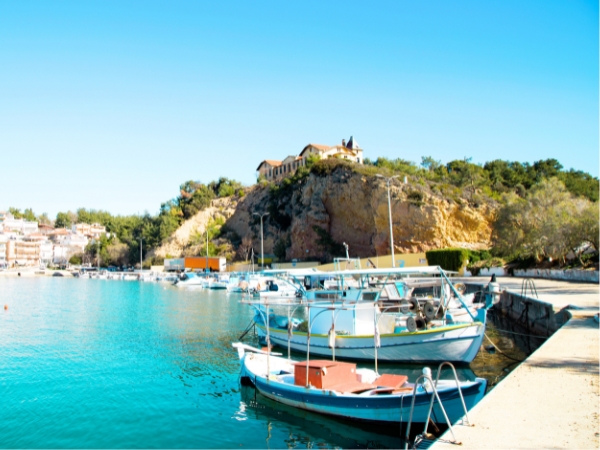
Greece is a land of captivating contrasts, where ancient history seamlessly merges with breathtaking coastal scenery and dramatic mountain landscapes. While most travellers often confine themselves to luxury resorts or iconic tourist spots for short stays, those who plan extended visits have the opportunity for a more authentic connection with Greek culture.
Whether you are spending a season exploring historical landmarks on the mainland or moving gently between island villages, renting a car can transform your long vacation into an extraordinary expedition. Securing a monthly car rental in Greece is one of the most practical decisions you can make as a foreign traveller or digital nomad.

The primary benefit of securing a monthly car rental in Greece is cost-effectiveness. Rental agencies offer significantly discounted daily base rates for long-term contracts compared to short-term hires. When compared with your savings from avoiding guided tours or expensive taxi fares, this option proves to be the most economical.
Furthermore, long-term rentals provide unmatched freedom and flexibility. Having your own ride means you can take spontaneous day trips to secluded beaches, mountain villages, or fishing ports anytime you want. You can set your own schedule, linger as long as you wish, and alter your travel plans on a whim without worrying about rigid schedules.
Lastly, this arrangement provides comfort and convenience. Travelling with family or substantial luggage becomes infinitely easier when you do not need to constantly carry and haul bags across public transport stations. You can comfortably and seamlessly move from one destination to another with a rental car.
Despite the clear benefits, driving for extended periods in Greece presents several challenges. Navigating local driving conditions requires adaptability. Urban centres such as Athens and Thessaloniki feature dense traffic, assertive driving styles, and narrow streets. Meanwhile, in rural areas and small island villages, you will encounter steep inclines, tight switchbacks, unpaved roads, and roaming livestock.
Parking in historical towns and popular coastal destinations can also test your patience. Many ancient city centres were designed long before automobile use, resulting in limited parking spaces and restricted traffic zones. Finding secure overnight parking near popular city accommodation often requires extra planning or additional fees.
Transporting rental cars on island ferries introduces another layer of complexity. Many rental operators place restrictions on ferry transit or impose extra insurance charges to cover marine passage. You need to get written permission ahead of time before attempting to take your vehicle aboard a ferry.

To select the right vehicle, you should carefully consider your planned itinerary, passenger count, and luggage requirements. A compact hatchback is ideal for navigating narrow village lanes and tight parking spaces in major cities. Conversely, if you plan to explore the mountainous regions of Epirus or the rugged terrain of Crete, a mid-sized SUV with higher ground clearance may prove more suitable.
Transmission choice is another essential factor. Manual vehicles remain the standard across southern Europe and are generally cheaper to rent. Automatic cars are also available but are in higher demand and in shorter supply, making early reservation essential, especially during the peak season.
Take time to compare offerings across both international rental brands and established local rental operators. Third-party aggregator websites provide a good starting point to gauge baseline market rates, but contacting local suppliers directly is essential to get accurate information and discounted rates.
When evaluating quotes, look closely at the details of each offer. Ensure that long-term rental contracts include adequate mileage allowances, ideally unlimited mileage, so you do not incur surprise charges at the end of your trip. Also verify other inclusions such as 24/7 roadside assistance and routine maintenance checks.
Once you have selected your preferred vehicle and provider, you need to start securing your requirements. Foreign tourists are required to present a valid driving licence. If you are from the European Union or other recognised countries, you do not need to present an International Driving Permit (IDP). However, if your country is not part of the listed exceptions, you should get an IDP before your trip.
Pay close attention to age restrictions as well. In Greece, the minimum age to rent a vehicle is typically 21, though many companies require primary drivers to be at least 23 or 25 years old for long-term agreements. Young driver surcharges may apply to individuals under 25, while senior drivers over 70 may face additional insurance requirements.
Having comprehensive insurance coverage is essential when committing to a long-term car rental in Greece. Standard rental agreements typically include Third-Party Liability (TPL), Collision Damage Waiver (CDW), and Theft Protection (TP). However, these basic policies usually come with a high excess, which you must pay if the car is damaged.
To reduce or eliminate the excess amount, you can purchase the agency’s Super CDW or Zero Excess package. While these policies add an extra daily fee, they can give you peace of mind on the road. You can also check if your credit card or personal travel insurance covers monthly car rentals in Greece. That can help you save money and avoid additional charges.
If your itinerary involves crossing between mainland ports and various islands, you must confirm the ferry policies of your chosen rental agency in writing ahead of time. Many rental companies forbid taking vehicles onto ferries due to insurance limitations. Without a permit, you may void your insurance coverage or be completely barred from boarding the ferry.
If ferry transit is permitted, make sure you understand any supplementary insurance fees required to maintain coverage while aboard ships or operating on island roads. Obtaining written permission avoids contract breaches and guarantees support should issues arise while you are away from the mainland.
When you collect your rental car, it is vital to inspect it thoroughly with a rental agent. Check the vehicle’s interior and exterior, focusing on vulnerable parts such as the windows, tyres, and undercarriage. Document any scratches, dents, or interior wear by taking high-quality photos and videos as you walk around the car.
Ensure all pre-existing damage is duly noted by the rental agent on the official vehicle report. This document, along with your phone recordings, will be your irrefutable evidence against unfair damage claims and disputes at the end of your extended vacation in Greece.

To ensure a smooth journey, you should strictly follow the local traffic laws. Driving in Greece takes place on the right side of the road, with overtaking performed on the left. At roundabouts, the traffic entering often has priority over vehicles already inside unless signage indicates otherwise.
Seatbelt use is compulsory for all vehicle occupants, and child safety restraints are required for children under 12 years old. Using a mobile device while driving is prohibited unless connected via a hands-free system. Blood alcohol limits are low, so it is best to avoid drinking entirely if you plan to drive.
Parking in Greece requires careful attention to street markings. In major cities, streets marked with blue lines are designated for residents, while white lines typically indicate free public parking spaces. Yellow lines strictly denote prohibited zones, such as bus stops, delivery bays, and hydrants.
When visiting ancient ruins, coastal towns, or island villages, utilise official public car parks situated on the outskirts of historical districts. Walking the final short distance saves you from navigating pedestrianised lanes and helps avoid costly parking fines or vehicle towing.
During an extended stay, you may cover thousands of kilometres. Make sure your rental agreement includes unlimited mileage and routine maintenance services. Check tyre pressures, oil levels, and windscreen washer fluid regularly to keep the vehicle running smoothly. If maintenance light alerts appear on the dashboard, notify your rental company promptly so they can coordinate service or provide a replacement vehicle.
Petrol stations are widely available along major highways and around larger towns, but they can be sparse in rural mountain zones or on smaller islands. If you are exploring remote areas, you need to plan your fuel stops strategically. Many rural stations close early in the evening and remain closed on Sundays, though automated self-service terminals are becoming more common.
Keep emergency numbers readily available inside the glove compartment. In the event of a road accident, contact the emergency services on 112 or the local police at 100, followed immediately by your rental provider's roadside assistance helpline. Make sure to get a copy of the official police report for insurance.

Do I need an International Driving Permit for monthly rentals? Tourists holding a driving licence issued by the European Union and other recognised countries generally do not require an International Driving Permit (IDP). You should check if your home country is on the list of exemptions or if you need to get an IDP.
Are long-term rentals appreciably cheaper than short rentals? Yes, securing a monthly car rental in Greece is substantially cheaper than booking consecutive weekly or short-term bookings. Rental companies usually offer discounted daily base rates and add-on prices for long-term rentals.
Are automatic transmission cars available for monthly rental? Automatic vehicles are readily available at major airports and city depots, but they have a limited supply in Greece. Because demand for automatics is consistently high, you should book months in advance to reserve an automatic car for a long-term contract.
Securing a long-term car rental in Greece turns an extended Mediterranean getaway into a truly immersive and memorable adventure. Having a reliable vehicle eliminates public transport constraints, providing the freedom to chart your own course. From ancient archaeological wonders to tranquil coastal hideaways, a rental car allows you to experience the authentic warmth and beauty of Greece on your own terms.
Whether you plan to work remotely from a quiet seaside town or embark on a tour of historic cultural landmarks, a monthly car rental in Greece provides comfort, convenience, and savings. Book your preferred vehicle today, and prepare to embark on an unforgettable Greek road trip.