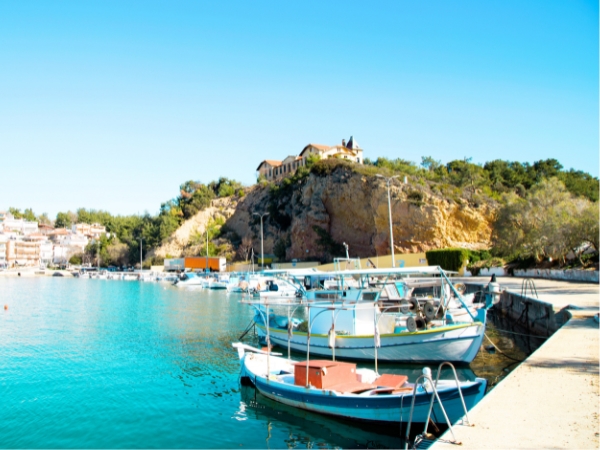
Greece is a land best discovered through the windshield of a car. While the iconic images of white-washed buildings and turquoise waters are easily accessible in tourist hubs, the true soul of the country lies at the end of winding coastal roads and tucked-away mountain passes. To reach the secluded coves of the Mani Peninsula or the stone villages of the Epirus region, renting a car is not just a convenience; it is a necessity.
Even now, as global energy markets fluctuate and fuel prices remain a significant consideration for any traveller, the independence granted by a private vehicle remains the gold standard for Greek exploration. By understanding how to fuel up in Greece efficiently, you can manage your budget without sacrificing the freedom that makes a Mediterranean road trip so transformative.
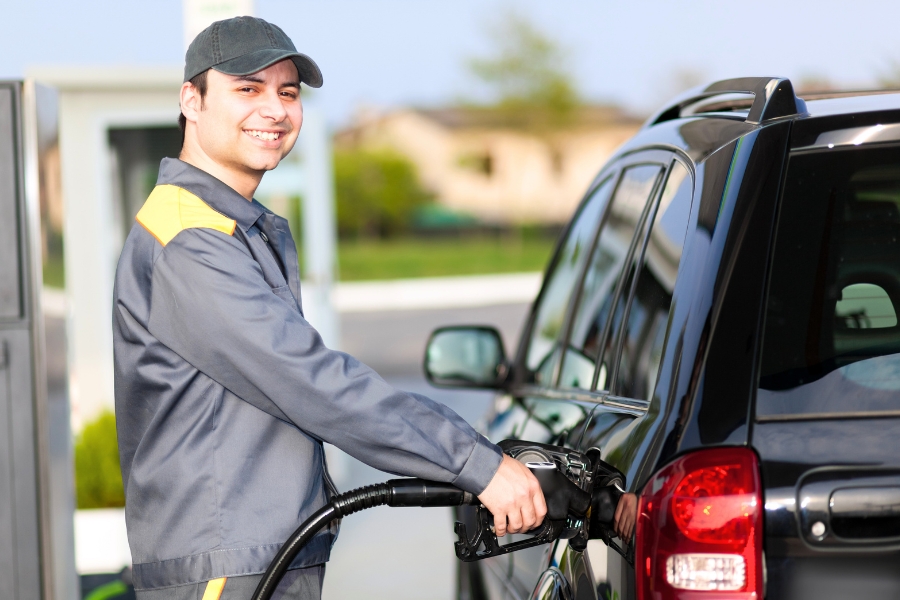
The experience of visiting a petrol station in Greece, or a venzinádiko, is often a pleasant surprise for those accustomed to the self-service culture of Northern Europe or North America. In Greece, full-service is the standard. When you pull into a station, you will almost always be greeted by an attendant.
You do not need to get out of your car unless you wish to stretch your legs or browse the shop. You simply roll down your window and state your fuel type and the amount you wish to purchase. If you want a full tank, you say "yemáto". On the mainland, especially along the major motorways, you will find large, well-lit stations operated by major brands. These are typically open 24 hours a day and offer full amenities, including cafes and clean restrooms.
On the Greek islands, the process requires a bit more foresight. Island stations are often smaller, family-run enterprises. In more traditional areas, these stations may close for a few hours in the afternoon, the local siesta, usually between 14:00 and 17:00, and they may have limited hours on Sundays.
Furthermore, island fuel is consistently more expensive than on the mainland due to the costs of transporting petrol by sea. If you are taking a rental car from the mainland onto a ferry, it is a significant money-saving strategy to fuel up in Greece on the mainland before you board the ship. Once on the islands, keep a close eye on your gauge; while the distances are shorter, the steep, hilly terrain of islands like Crete or Naxos consumes fuel much faster than flat coastal roads.

When it comes to paying for your fuel, Greece has modernised rapidly. Almost every petrol station, even in relatively remote areas, is equipped with a portable POS terminal. The attendant will bring the machine to your window, allowing you to pay by credit or debit card without leaving your seat. However, it is a wise precaution to carry a small amount of cash, particularly if you are venturing into the mountainous interior of the Peloponnese or Northern Greece, where occasional technical outages or older equipment might make card transactions difficult.
A common point of confusion for travellers is the etiquette surrounding tipping. In Greece, tipping the petrol station attendant is not mandatory, but it is a gesture that is widely appreciated. If the attendant goes beyond simply pumping the fuel, such as washing your windscreen, checking your tyre pressure, or helping you with directions, a tip of one or two Euros is appropriate. It is a small cost that acknowledges the service-heavy nature of the Greek fueling experience.
To fuel up in Greece effectively, you must think like a local when planning your routes. The most expensive places to buy petrol are directly on the motorways and in the immediate vicinity of major international airports. If you are picking up your car at Athens International Airport, avoid the temptation to fill the tank at the very first station you see. By driving just ten to fifteen minutes away from the airport hub into local suburbs like Koropi or Markopoulo, you can often find prices that are several cents lower per litre.
Strategic routing also involves understanding the half-tank rule. In the more rugged parts of Greece, such as the Mani or the Pindus Mountains, villages can be far apart and petrol stations even further. It is a mistake to wait for the low-fuel warning light to appear. In these regions, many stations are not open 24/7.
A good rule of thumb is to top up whenever you reach half a tank and encounter an open station. This prevents the stress of hunting for fuel in a remote area as night falls. Additionally, using navigation apps that provide real-time fuel prices can help you identify cheaper independent stations located just off the main tourist paths.

Avoid motorway stations for major refills. While convenient, stations directly on the national roads often charge a premium of ten per cent or more compared to those in nearby towns. Plan your stops so you can fuel up in Greece within local municipalities to keep your travel budget intact.
Opt for a manual transmission rental. Manual cars are the standard in Greece and generally provide much better fuel economy than their automatic counterparts, especially on mountainous terrain. This simple choice at the rental desk can result in significant savings over the course of a two-week road trip.
Use the Full-to-Full fuel policy. This policy ensures you only pay for the exact amount of petrol you consume by returning the car with a full tank yourself. It prevents the rental agency from charging you their own inflated per-litre service rates for refilling the vehicle.
Monitor your tyre pressure regularly. Under-inflated tyres can increase fuel consumption by as much as three per cent due to increased rolling resistance on the road. Most petrol station attendants will check and adjust your pressure for free if you ask them nicely.
Minimise heavy air conditioning use. Running the air conditioning on full power while navigating steep island inclines puts a massive strain on the engine and drains fuel quickly. Use the AC primarily on flat motorways and try to use natural ventilation when driving at lower speeds through villages.
What are the local names for the different fuel types? You should look for "Amolyvdi" for standard 95-octane unleaded petrol and "Petreleo Kinisis" if your rental vehicle requires diesel. Always double-check the sticker inside your fuel cap or your rental agreement to ensure you are using the correct nozzle at the pump.
Can I pay with a foreign credit card at the station? Almost all Greek petrol stations accept major credit cards, and the attendant will usually bring a portable card reader to your car window. It is still a good idea to carry some cash just in case you find yourself at a small, remote station with a faulty internet connection.
Is there a self-service option at Greek petrol stations? Full service is the standard across the country, so you typically do not need to pump the fuel yourself. An attendant will handle the entire process, allowing you to remain in the vehicle while they fill the tank and process your payment.
Are petrol stations open 24 hours a day? Major stations on the national motorways are open around the clock, but smaller independent stations in rural areas or on islands may close during the afternoon or late at night. Many of these smaller stations have automated machines that accept cash or cards after hours, though they do not provide change for cash.
Should I fill my tank before taking a ferry to an island? Yes, because fuel prices on the Greek islands are consistently higher than on the mainland due to the added cost of maritime transport. Filling your tank to the brim in a major city like Athens or Patras before boarding will save you a noticeable amount of money.
Renting a car remains the most rewarding way to experience the multifaceted beauty of the Greek landscape. From the ancient ruins of Delphi to the hidden mountain monasteries of the Peloponnese, the ability to set your own pace is what turns a holiday into an adventure. While the need to fuel up in Greece requires a bit of logistical planning and a mindful approach to your budget, the process is made easier by the helpful service-oriented culture found at Greek petrol stations.
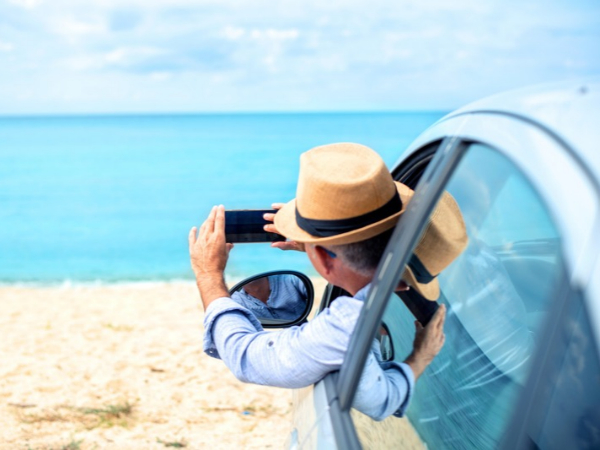
By choosing your vehicle wisely, planning your routes to avoid expensive airport hubs, and understanding the local payment customs, you can keep your travel costs manageable. The minor inconvenience of navigating fuel prices is a small price to pay for the ability to pull over whenever a hidden beach catches your eye or a mountain view demands a photograph.
Do not let the logistics of the pump deter you. Book your car on Final Rentals today, embrace the full-service convenience of the Greek venzinádiko, and prepare to discover the hidden corners of this magnificent country at your own speed. The open road in Greece is waiting, and the memories you will make far outweigh the cost of a tank of petrol.