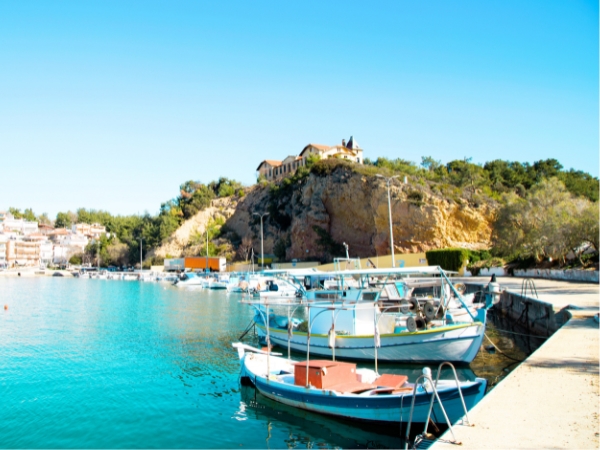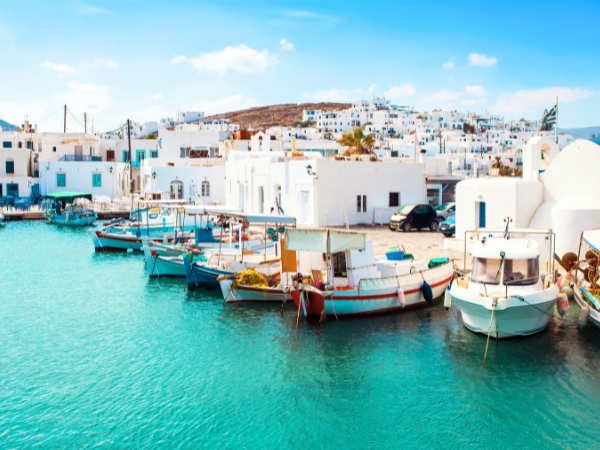
Greece possesses one of the most breathtaking shorelines on Earth, stretching across thousands of islands and dramatic mainland coasts. From the deep azure waters of the Aegean to the vibrant turquoise hues of the Ionian Sea, the maritime landscape of this Mediterranean nation offers an inexhaustible canvas for visual storytellers. Photographers from around the globe are drawn to these shores, inspired by the rare synthesis of raw geographical grandeur and thousands of years of human heritage.
What elevates Greece from a simple scenic destination to a world-class photography haven is the unique quality of light. The atmosphere across the archipelagos creates an exceptionally crisp golden hour, where warm sunlight illuminates whitewashed architecture against intense blue horizons. Furthermore, the geographical variety is astounding. Within a short distance, one can transition from chalk-white volcanic rock formations to sheer limestone precipices, secluded coves, and ancient marble temples standing guard over the sea. Finding the most picturesque coasts in Greece is a journey that promises unmatched artistic rewards.

Extending south from the capital, the Athenian Riviera provides a perfect introduction to the country's mainland shoreline. The undeniable highlight for any photographer is Cape Sounion, home to the ancient Temple of Poseidon. Perched dramatically at the edge of a sheer cliff dropping into the sea, these ancient marble columns offer an iconic architectural focal point. Photographers should aim to capture the temple during sunset, positioning themselves to silhouette the classical ruins against the fiery orange and magenta skies as the sun dips below the Aegean horizon.
Situated on the eastern coast of central Greece, the Pelion Peninsula offers a strikingly different coastal dynamic, where dense green forests descend directly to meet the sea. Mylopotamos Beach stands out for its dramatic rock formations, including a natural stone archway that divides the pebble beach into two distinct coves. Photographers can frame compositions through the cavernous rock openings, using long exposures to smooth the churning water as waves wash through the passage. Nearby Damouchari Beach provides equally charming visuals, with its natural harbour and serene, pebble-strewn shorelines framed by lush vegetation.
Further south lies the Peloponnese, a region renowned for its wild coastal beauty and deep historical roots. Voidokilia Beach in Messinia is an absolute marvel of natural symmetry, forming an almost perfectly circular, horseshoe-shaped bay separated from a lagoon by dunes. Capturing its unique geography requires an elevated viewpoint, which can be reached by hiking up to the nearby ruins of Old Navarino Castle. From this high vantage point, wide-angle lenses reveal the remarkable geometry of the golden sand ringed by pristine turquoise water.
On the eastern coast of the peninsula, the medieval fortress town of Monemvasia rises dramatically from the sea. Linked to the mainland by a narrow causeway, this massive sea-rising rock formation is often called the Gibraltar of the East. The best photographic opportunities occur at dawn, when soft light washes over the ancient stone walls, cobblestone alleyways, and medieval ramparts that overlook the vast sea, creating an ethereal, atmospheric scene.

As Greece's largest island, Crete boasts immense coastal variety. In the northwest corner, Balos Lagoon presents a labyrinth of shallow, warm sea paths, pink-hued coral sand, and wild mountainous surroundings. A short trek up the cliff path reveals an incredible elevated perspective, perfect for capturing the intricate patterns of turquoise, emerald, and deep blue water. Further south, Elafonisi Beach offers a similar palette, where crushed seashells tint the water's edge pastel pink, creating subtle colour gradients ideal for detail shots and expansive landscape compositions.
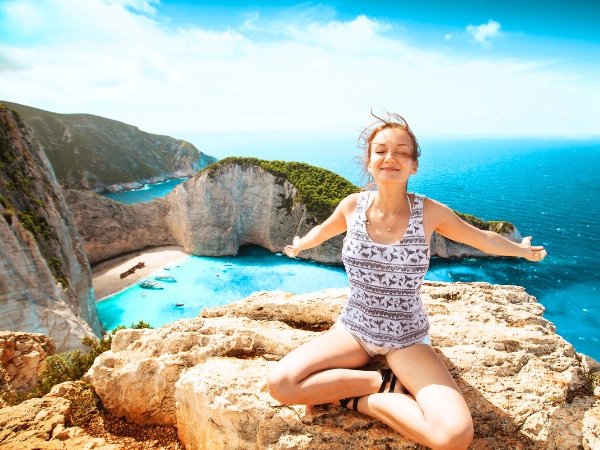
Located off the western coast of mainland Greece, the Ionian Islands are celebrated for their sheer limestone cliffs and electric-blue waters. Navagio Beach, commonly known as Shipwreck Beach, on the island of Zakynthos, is one of the most photographed locations in Europe. The rusted hull of a freighter rests in the centre of a white pebble beach, completely enclosed by towering vertical cliffs. While shots from the sand are impressive, the definitive photographic perspective is captured from the high cliff-top viewing platforms, looking down on the bright white shore and glowing blue water.
On the nearby island of Lefkada, Porto Katsiki and Egremni beaches offer similar dramatic scale. Sheer white limestone precipices plummet into deep, turbulent sea. Wide-angle lenses excel here, allowing photographers to capture the contrast between the chalky white cliffs, the bright band of shore, and the striking gradient of the Ionian Sea.
The Cyclades group is home to some of the most famous maritime scenery in the world, characterised by stark volcanic geology and iconic Cycladic architecture. Santorini is world-famous for good reason; its dramatic volcanic caldera cliffs rise hundreds of metres above the flooded crater below. In the village of Oia, photographers can frame whitewashed churches with iconic blue domes against the deep crater backdrop. Away from the villages, Red Beach provides a fascinating contrast of dark, rust-red volcanic cliffs juxtaposed against deep turquoise waters and black sand.
On the island of Milos, Sarakiniko Beach offers a surreal, almost extraterrestrial landscape. Centuries of wave action and winds have carved smooth, undulating waves into chalk-white volcanic tuff. The total absence of vegetation emphasises the stark white curves of the terrain, making it an extraordinary location for high-contrast black-and-white photography, as well as minimalist colour compositions during the soft light of the blue hour.

To truly capture the essence of the picturesque coasts in Greece, you need to catch the perfect lighting. Golden hour, the period shortly after sunrise and just before sunset, casts a warm, soft glow across stone ruins and sea cliffs, minimising harsh shadows. Blue hour, occurring just after sunset or before sunrise, is equally beautiful, particularly when taking photos of coastal villages like those in Santorini or Monemvasia. During this window, the ambient indigo sky perfectly balances the warm glow of village streetlights and terraces.
Additionally, you also need to select the right season. Visiting during the shoulder months of May to June or September to October offers clear photographic advantages. The harsh midday sun is softer, the midsummer heat recedes, and the atmospheric haze diminishes. Furthermore, the shorelines are significantly less crowded, allowing you to capture pristine landscapes without obstruction.
Equipping yourself with the right gear ensures you are prepared for dynamic coastal conditions. Using proper lens accessories is essential for Greek seascape photography; they help cut through water glare, deepen the sky's rich blue hues, and reveal underwater detail in shallow lagoons like Balos. Managing your exposure is also valuable, allowing for longer exposures during bright daylight to turn churning coastal waves into smooth, misty textures.
In terms of focal length, versatility is key. Wide-angle lenses are crucial for capturing sprawling cliff faces, vast lagoons, and grand architectural perspectives. However, carrying a telephoto lens allows you to isolate distant sea stacks, remote lighthouses, lone sailboats, or great details on cliffside villages that would otherwise be lost in an expansive wide shot.
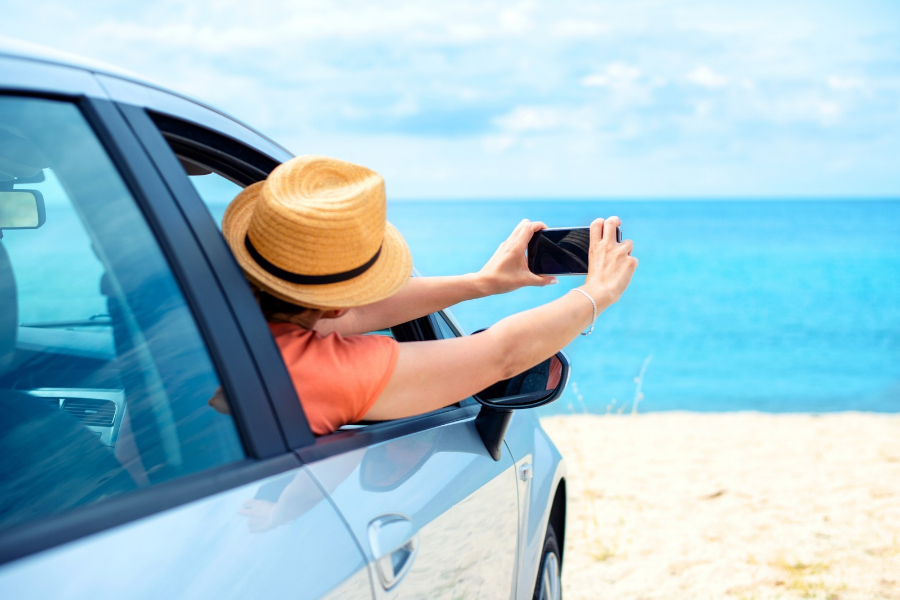
While planning your itinerary, securing your own ride is perhaps the single most impactful decision you can make for your photography. Public transportation in Greece rarely aligns with the specific demands of landscape photography. Buses predominantly operate during peak daylight hours and focus on routes between major towns, leaving remote clifftops, isolated beaches, and dramatic headlands inaccessible during the crucial sunrise and sunset windows.
By renting a car, you gain total freedom over your schedule. You can arrive at distant locations long before dawn, wait comfortably for optimal light without relying on rigid transit schedules, and remain well after sunset to capture the full progression of the evening light. Furthermore, a rental vehicle serves as a secure, weather-protected storage for carrying heavy camera bags, multiple lenses, tripods, and drone equipment, ensuring you are fully prepared for every location.

Why should I rent a car to reach scenic Greek coasts? Renting a car grants you complete schedule flexibility to access remote clifftops and secluded beaches during the crucial golden and blue hour lighting windows. Public buses rarely run early or late enough to meet these peak sunrise and sunset times, nor do they reach off-the-beaten-path vantage points.
What vehicle type is best suited for coastal road trips? A small, compact car is typically ideal because it allows you to easily manoeuvre through narrow village streets and park in tight beach lots. However, if your photography itinerary includes rough, unpaved coastal tracks in remote parts of islands like Crete or Milos, hiring a small four-wheel-drive vehicle is recommended.
Are the coastal driving routes in Greece easy to navigate? Main highways across mainland Greece and larger islands are modern, well-maintained, and easy to drive. Coastal roads, while scenic, can be winding and narrow with sharp turns, so drivers should remain patient, exercise caution, and rely on offline GPS navigation apps.
What should you keep in mind when parking near coasts? Always park on flat, firm ground away from loose cliff edges or soft sand, as coastal erosion and soft soil can cause vehicles to get stuck. Make sure to double-check local parking restrictions in island villages to avoid fines or blocking narrow access roads used by emergency services.
When is the best time to drive to Greek coastal photo locations? It is best to set off early in the morning so you can arrive at your chosen destination before sunrise, beating both the heavy midday traffic and the tourist crowds. Leaving early also ensures you secure prime parking spots at popular locations like Shipwreck Beach or Sarakiniko before full daylight sets in.
How do I safely transport photography equipment while driving? A rental car doubles as a secure, mobile base camp, allowing you to store heavy tripods, multiple camera lenses, and drone gear safely out of the sun. Always keep your gear secured in the trunk out of sight when parked, and carry a compact, protective backpack when leaving the vehicle to hike down to coastal spots.
The most picturesque coasts in Greece offer an extraordinary array of visual subject matter, from the stark, moonlike rocks of Milos to the lush, forest-draped shores of Pelion and the dramatic limestone precipices of the Ionian Islands. Masterful coastal photography relies on a combination of timing, compositional awareness, and the flexibility to seek out unique vantage points away from standard tourist viewpoints.
To maximise your creative potential and capture these coastal landscapes at their absolute best, independence is essential. Relying on fixed schedules will only limit your access to the finest light. Book your rental car today, take control of your journey, and discover the magnificent shoreline of Greece on your own terms.