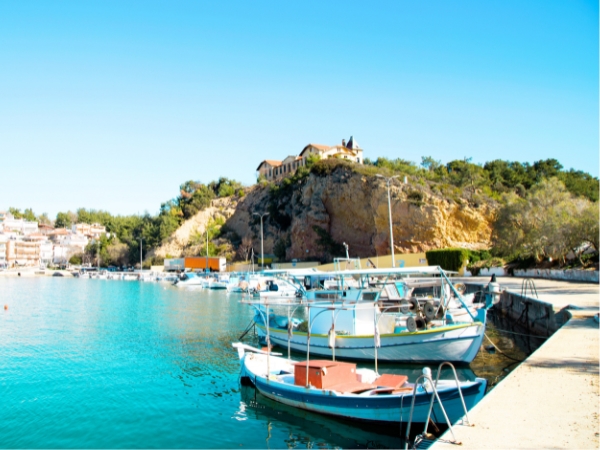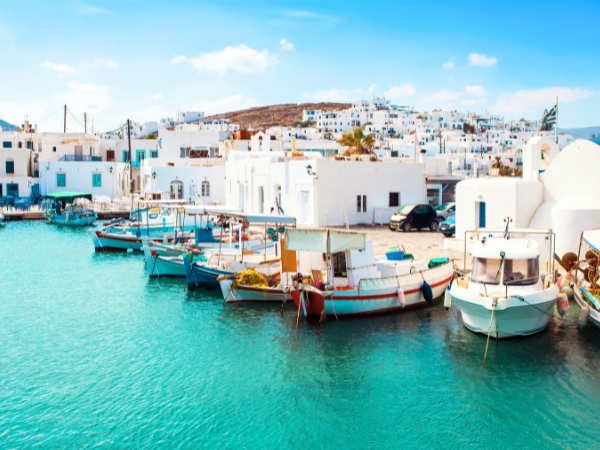
Greece is a land of dramatic contrasts, where the shimmering azure of the Mediterranean meets the rugged, sun-bleached limestone of ancient mountain ranges. While the majority of visitors remain tethered to the well-trodden paths of Athens or the manicured resort towns of the Cyclades, there is an entirely different world waiting for those willing to venture beyond the tarmac.
Exploring the remote regions of Greece offers a glimpse into a timeless landscape of hidden monasteries, alpine meadows, and secluded coves that remain untouched by mass tourism. Renting a 4x4 vehicle is the most effective way to experience this geographical diversity, as public transport rarely reaches the trailheads or remote coastal villages that define the authentic Greek experience.
Determining whether you actually need a 4x4 rental in Greece depends heavily on your intended itinerary. If your plans are limited to visiting the Acropolis, the wineries of Nafplio, or the main towns of Mykonos, a standard economy car is perfectly sufficient. However, the Greek landscape is notoriously mountainous. Approximately 80% of the country consists of hills or mountain ranges. For those intending to visit the Pindus Mountains in the north or the rugged southern coast of Crete, the limitations of a hatchback become apparent very quickly.
Many of the most spectacular beaches in Greece are only accessible via unpaved roads. These are not merely dirt paths but can be steep, winding tracks. A standard car lacks the ground clearance to navigate these obstacles without risking significant damage to the oil pan or exhaust system. Furthermore, the weather in Greece can be unpredictable. A sudden Mediterranean thunderstorm can turn a dusty trail into a muddy slide in minutes. In these scenarios, the mechanical advantage of a four-wheel-drive system is not just a luxury but a fundamental safety requirement for maintaining traction and control.
Opting for a 4x4 rental in Greece provides several distinct advantages, the most prominent being unrestricted access. With a high-clearance vehicle, the signs that deter standard tourists become invitations to explore. You gain the ability to reach isolated monasteries perched on cliffsides and mountain villages where life has remained unchanged for decades.
Beyond access, there is the factor of safety. The heavy-duty suspension of a 4x4 is designed to absorb the shocks of uneven terrain, providing a more stable and comfortable ride on gravel roads. This mechanical robustness translates into driver confidence, allowing you to focus on the scenery rather than worrying about every protruding rock.
However, there are trade-offs to consider when choosing a larger vehicle. From a financial perspective, 4x4s are more expensive to rent and less fuel-efficient. Given that petrol prices in Greece are among the highest in Europe, this can add a substantial amount to your travel budget.
Size is another significant factor. While a large SUV is great on a mountain track, it can be a nightmare to navigate through the labyrinthine, narrow streets of a traditional Greek village. Parking in these ancient settlements was designed for donkeys, not huge modern off-roaders.
Finally, it is crucial to understand that most standard rental insurance policies explicitly exclude damage incurred while driving off-road. Even if you have a 4x4, punctures or undercarriage damage sustained on unpaved surfaces may not be covered, necessitating a careful review of the rental agreement's fine print.

The northern regions of Greece offer a truly alpine off-roading experience that surprises many first-time visitors. The Pindus National Park, often called Valia Calda, is a premier destination featuring deep river crossings and dense forests of black pine. Driving through the Orliakas mountain range in a 4x4 allows travellers to reach the stunning Portitsa Gorge and its historic stone bridges. Further west, the Zagori region provides a network of ancient mule tracks and gravel paths connecting stone-built villages like Papingo and Vradeto, offering some of the most challenging yet rewarding mountain driving in Europe.
In the South, the Peloponnese peninsula serves as a rugged playground for 4x4 enthusiasts. The Taygetus Mountains provide high-altitude trails with panoramic views of the Messenian Gulf, while the mysterious region of Arcadia offers forested slopes and deep gorges like Lousios. The Mani Peninsula is particularly iconic for off-roading. Its stark, rocky landscape is dotted with abandoned tower houses and narrow dirt tracks that lead to secluded bays along the Laconian coast. These routes often require high clearance to navigate the sharp limestone steps and loose scree characteristic of the southern terrain.
Many Greek islands possess a wild interior that remains inaccessible to those in standard vehicles. Crete, the largest island, is a world of its own. A 4x4 is essential for crossing the White Mountains or descending the steep, unpaved tracks to the Libyan Sea on the southern coast. Evia Island, though close to the mainland, offers dense chestnut forests and mountain-to-sea trails that feel remarkably remote. On smaller islands like Naxos or Ikaria, 4x4 vehicles allow visitors to bypass the busy resort areas and discover Blue Zone mountain villages and hidden marble quarries that define the authentic Aegean spirit.
Use Good Physical Maps: Digital maps often struggle with the rugged Greek terrain and may classify treacherous goat paths as minor, accessible roads. Always cross-reference your digital route with a high-quality physical map and be prepared to turn back if a track looks impassable.
Maintain Your Fuel Levels: Petrol stations are virtually non-existent in high-altitude mountain ranges and deep rural backcountry areas. Ensure your tank never drops below the halfway mark to avoid being stranded in a remote location without a mobile signal.
Beware of Local Livestock: It is common to encounter large herds of sheep or goats using mountain roads as they move between grazing pastures. When you see a herd, stop your vehicle and turn off the engine until the shepherd and his dogs have safely cleared the way.
Practice Defensive Driving: Sharp limestone rocks can easily cause punctures or undercarriage damage if you traverse unpaved tracks at high speeds. Maintain a slow, steady pace to protect the vehicle’s tyres and suspension, as rental insurance rarely covers damage sustained off the asphalt.
Master the Engine Braking: When descending steep, unpaved mountain gradients, use lower gears to control your speed rather than riding the brakes constantly. This technique prevents your brakes from overheating and ensures you maintain maximum control on loose surfaces.

Is there a minimum age required for renting a 4x4 car? Rental agencies often set a higher minimum age, typically 23 or 25, for larger SUVs and 4x4 models compared to economy cars. Younger drivers may also be subject to a daily surcharge or higher security deposits regardless of the vehicle type.
Do I need an International Driving Permit to rent a 4x4? While UK and EU licences are generally accepted, many agencies require an International Driving Permit (IDP) for non-EU drivers to ensure legal compliance during roadside checks. It is best to obtain one before departure to avoid any potential issues at the rental desk.
Is fuel for 4x4 cars readily available in remote regions? Diesel and petrol are available in most villages, but stations in the highlands may have irregular opening hours or cash-only policies. It is vital to fill up in larger towns before heading into isolated mountain ranges like the Pindus.
Does standard insurance cover driving on unpaved roads? Most basic insurance policies explicitly void coverage for any damage that occurs once the vehicle leaves a paved public highway. You should check if your provider offers a specific gravel protection add-on to cover potential tyre or undercarriage issues.
Can I take my 4x4 rental vehicle on a ferry to other islands? Most companies allow ferry travel, but you must inform the agency in advance and sometimes pay an additional fee for island-to-island coverage. Always confirm that your insurance remains valid when the vehicle is moved away from the initial rental region.
Do I need to rent a 4x4 on popular Greek islands like Crete? While the main towns are paved, a 4x4 is highly recommended if you plan to visit remote southern beaches or rugged interior mountain trails. For standard coastal drives between resorts, a regular hatchback is usually sufficient.
Embracing the rugged terrain of Greece is the key to discovering a side of the country that most people never see. It is a journey that takes you away from the umbrellas of the organised beaches and into the heart of a wild, ancient landscape. While it requires more preparation and a slightly higher budget than a standard holiday, the rewards of standing on a deserted mountain peak or swimming in a cove you have entirely to yourself are immeasurable.
By securing a 4x4 rental in Greece, you provide yourself with the freedom to follow your curiosity wherever it leads. Whether you are climbing the misty heights of the Pindus or navigating the sun-renched tracks of the Mani, the right vehicle turns a simple trip into a true odyssey. Book your 4x4 car on Final Rentals, and get ready to experience the raw, unscripted beauty of the Greek backcountry. Your adventure is waiting just beyond the end of the paved road.