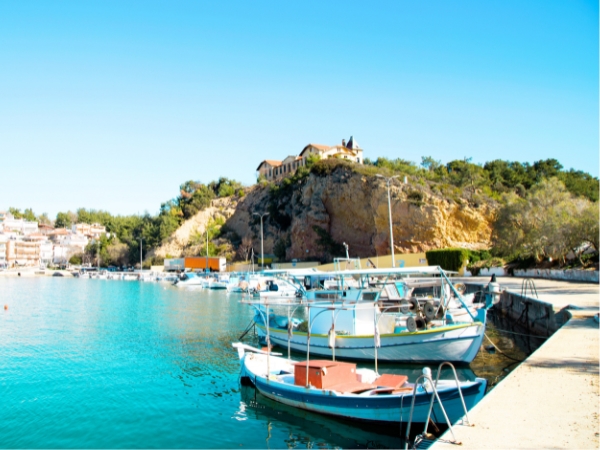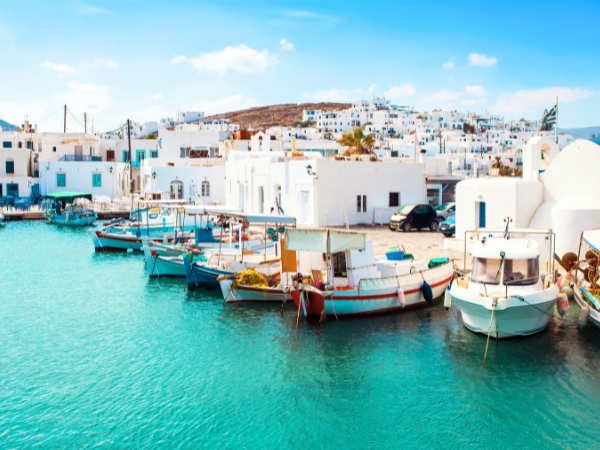
Greece is a land best explored at your own pace. While the bustling streets of Athens and the iconic sunsets of Santorini are accessible via public transport, the true soul of the country lies in its hidden mountain villages, secluded beaches in Peloponnese, and the rugged interior of Crete. To reach these locations, a vehicle is essential.
However, many travellers fear that the cost of hiring a car will drain their holiday budget. Finding a cheap car rental in Greece is not merely about finding the lowest daily rate on a search engine. It is about understanding the local market, timing your booking perfectly, and navigating the specific regional regulations that can lead to unexpected costs.
The Greek car rental market remains highly seasonal. During the quiet winter months, you might find a compact vehicle for as little as £15 per day. Conversely, during the peak of August, that same vehicle could easily command £90 or more. This guide is designed to help you navigate these fluctuations and secure the best possible deal without sacrificing safety or reliability.
The first rule of securing a cheap car rental in Greece is to respect the Golden Window of booking. For most of the year, booking six to eight weeks in advance will yield the most competitive rates. However, if your trip falls between June and August, you should ideally lock in a reservation three to four months ahead. Greece has a finite supply of vehicles, especially on smaller islands like Milos or Naxos, and as the fleet nears full capacity, prices skyrocket.
Strategic pick-up locations also play a massive role in your final bill. While it might seem convenient to pick up a car at your hotel or a small local port, the major airports such as Athens International (ATH) or Thessaloniki (SKG) often offer the lowest rates. This is due to the sheer volume of competition between international brands and large-scale local providers. While airport surcharges exist, the base daily rate is often significantly lower than what a small-town agency would offer.
Furthermore, you must check various agencies. Do not look at just one company’s website. Use comparison platforms to see how local Greek agencies stack up against global giants. Often, local firms offer more flexible terms or include basic insurance perks that the internationals charge extra for.
Additionally, pay attention to the duration of your car rental. In Greece, many agencies operate on a weekly sliding scale. You may find that renting a car for seven days is actually cheaper than renting for five, as the daily rate drops significantly once you cross the one-week threshold.
To keep your costs low, you must be practical about the type of car you actually need. In the narrow, winding streets of Greek villages, bigger is rarely better. The economy categories are the most cost-efficient choices for several reasons. Models are not only the cheapest to rent but are also the easiest to park in cramped coastal towns where space is at a premium.
One of the most significant ways to ensure a cheap car rental in Greece is to choose a manual transmission. In Greece, manual cars are the standard. If you require an automatic vehicle, you can expect to pay a premium of 30% to 50% more. If you are comfortable driving a stick shift, you will save a substantial amount of money over the course of a fortnight.
Furthermore, consider the fuel type and engine displacement. Greece consistently has some of the highest petrol prices in Europe. While a hybrid vehicle might have a slightly higher daily rental cost, the savings at the pump can be significant if you plan on driving long distances, such as a road trip around the Peloponnese. However, be wary of choosing an engine that is too small if you are visiting mountainous regions. A 1.0-litre engine might be cheap to hire, but if it is constantly struggling to climb the steep hills of Crete or the Pindus Mountains, your fuel consumption will spike, potentially negating the initial savings.

A cheap car rental in Greece can quickly become expensive if you fall for common hidden charges. The most frequent trap is the fuel policy. You should always insist on a Full-to-Full policy. This means you receive the car with a full tank and return it with a full tank. Avoid Prepaid policies at all costs. These require you to pay for a full tank of fuel at the rental desk and return the car empty. It is nearly impossible to return a car with a perfectly empty tank, meaning you are essentially gifting the rental company free petrol.
Insurance is another area where costs can spiral. Every rental in Greece includes basic Collision Damage Waiver (CDW), but this usually comes with a high excess or deductible, often between £700 and £2,000. Rental agents will often use high-pressure tactics at the desk to sell you a Full Damage Waiver (FDW) for an extra £15 to £25 per day. To avoid this, check if your premium credit card provides rental car insurance or purchase a standalone Excess Insurance policy from a third party before you leave home. This allows you to decline the expensive local upgrade while remaining fully protected.
Nothing ruins a cheap car rental in Greece faster than a hefty fine from the Hellenic Police. Traffic enforcement has become increasingly automated and strict over the last few years. In Athens, you must be aware of the "Daktylios" or the Green Zone. This is a restricted area in the city centre where cars are allowed to enter only on certain days, based on their number plate. While rental cars are often exempt for the first 40 days for tourists, you should confirm this with your agency to avoid a steep fine.
Traffic fines in Greece are tiered under the New Road Traffic Code of 2025/2026. Exceeding the limit by 20km/h can result in a fine of over £100, while more serious infractions or running a red light can cost up to £700. The use of automated speed cameras on major motorways like the Egnatia Odos has increased significantly. Furthermore, Greek police are particularly strict regarding seatbelts and mobile phone usage. Using a handheld phone while driving or failing to wear a seatbelt can result in a £350 fine and the immediate confiscation of your driving licence.
Parking is another common pitfall. In popular islands like Mykonos or Santorini, parking in a prohibited zone might not just result in a ticket. The police are known to remove the number plates from the vehicle. To get the plates back, the rental company will have to pay the fine and a processing fee, which they will then charge to your credit card, often with an added administrative handling fee. Always look for designated "P" signs or use paid parking lots to ensure your car stays safe and legal.
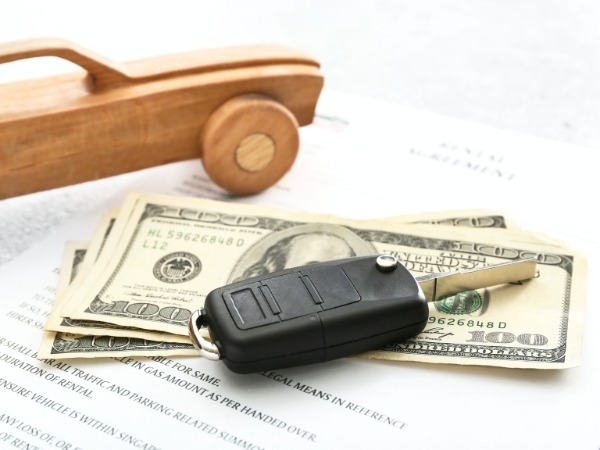
Securing a cheap car rental in Greece is an achievable goal for any traveller willing to do a little homework. By booking well in advance, opting for a manual transmission economy vehicle, and being vigilant about fuel and insurance policies, you can keep your transport costs to a minimum. Remember that the cheapest headline rate isn't always the best deal; total cost transparency is the key to a stress-free holiday.
Greece is a country of endless discovery, and having your own set of wheels is the only way to experience its true diversity. From the ancient theatres of Epidaurus to the turquoise coves of the Ionian islands, the road is calling. Do not let the fear of high costs hold you back. Rent a car in Greece for your driving adventure and discover the freedom of the open Mediterranean road.