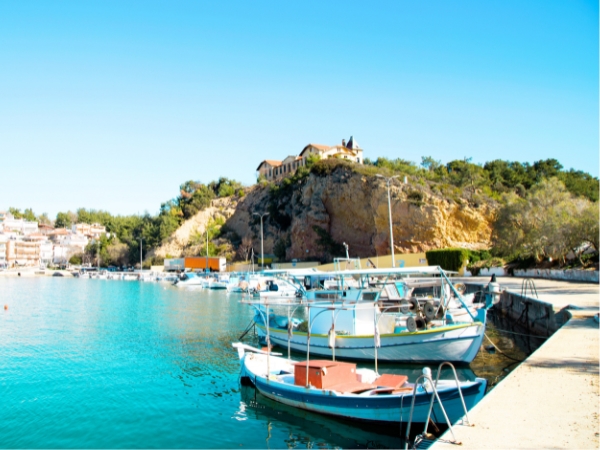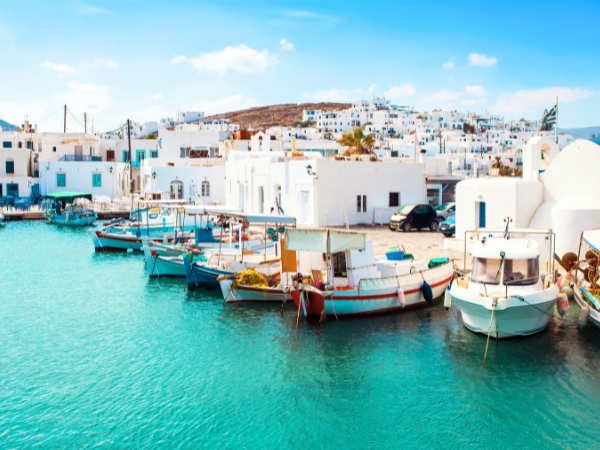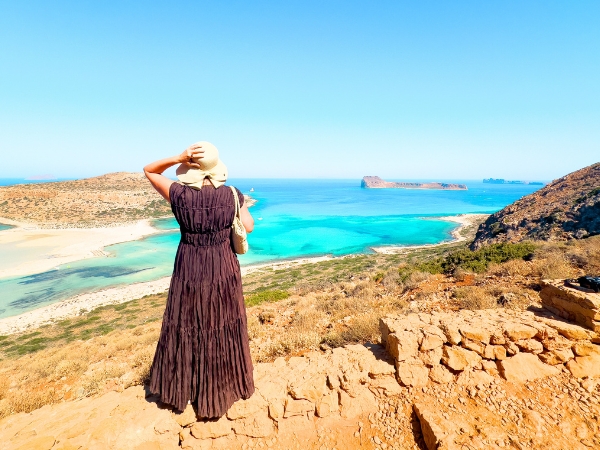
The quintessential image of Greece is often painted in the blinding white of Cycladic houses and the deep cerulean of the Aegean Sea under a relentless July sun. For decades, many tourists have visited this ancient land during the height of summer when the temperatures soar, and the beaches are carpeted with sun loungers. However, a growing movement of travellers is beginning to realise that the most authentic and soulful version of the country is experienced beyond the peak season.
By choosing to visit during the low season, or the shoulder seasons of spring and autumn, you can discover a Greece that is quiet, green, and profoundly welcoming. The true off-season occurs between November and March. During these months, the tourist infrastructure recalibrates, the frantic pace of the islands slows to a rhythmic crawl, and the mainland transforms into a hiker’s paradise. To visit during this time is to step behind the curtain and see the nation as the Greeks see it.
One of the best benefits of a low-season expedition is the extraordinary value for money. Greece is an affordable destination by European standards, even in the summer, but during the winter and shoulder months, the prices for high-end experiences plummet. Luxury boutique hotels in Athens or restored traditional mansions in the Peloponnese often reduce their daily rates by as much as 40 to 60 per cent. This allows travellers to enjoy five-star accommodation on a three-star budget, often receiving upgrades to suites that would be financially inaccessible in August.
Beyond the cost of a bed, the financial perks extend to nearly every facet of the journey. International flights into Athens or Thessaloniki are significantly cheaper, and the lack of demand means that domestic connections to larger islands like Crete or Rhodes are often bargain-priced. Even the local economy shifts its stance. While the most egregious tourist traps might close their doors entirely, the establishments that remain open are those that serve the local population. This means you are far more likely to pay local prices for a carafe of house wine or a plate of slow-cooked lamb than you would at a seaside taverna in mid-summer.
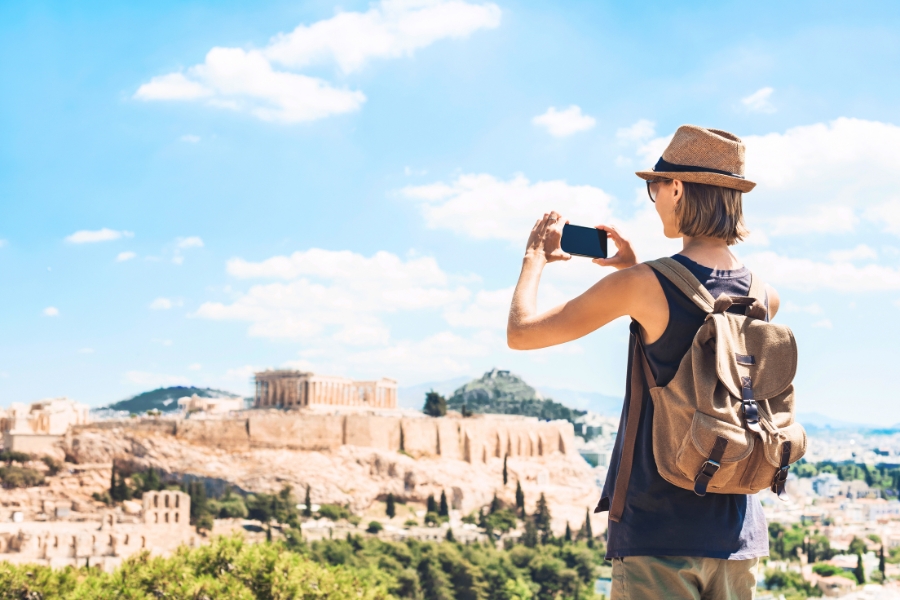
The volume of tourists coming during the peak season usually leads to overcrowding in many hotspots. In the summer, the narrow streets of Mykonos and the sunset points of Santorini become congested to the point of discomfort. By contrast, the off-season offers the ultimate luxury: space. Standing alone on the Acropolis in Athens as a cool breeze blows through the Parthenon columns is a spiritual experience that is impossible to replicate when sharing the space with thousands of other cruise ship passengers. The silence allows the history of the stones to speak.
This lack of crowds extends to the nation’s world-class museums and archaeological sites. At the Palace of Knossos in Crete or the ancient theatre of Epidaurus, one can wander for hours without the intrusion of selfie sticks or megaphone-led tour groups. This freedom from queues and crowds changes the psychological weight of the holiday. Instead of a logistical battle to see the sights, the trip becomes a stroll through history. For photographers, this is the only time to capture the stark, geometric beauty of Greek architecture without having to wait for a gap in the crowd that never comes.
Many people avoid Greece in the winter because they fear the cold, yet the Greek climate during the off-season is far more conducive to exploration than the oppressive heat of summer. While the north can be crisp and even snowy, the southern regions and the islands often enjoy mild, sunny days that are perfect for physical activity. Hiking the Samaria Gorge or the ancient paths of the Peloponnese in 35-degree heat is a punishing ordeal; doing so in the cool 18-degree air of November is a delight.
Furthermore, the aesthetic of the Greek landscape changes dramatically. The scorched, brown hills of the summer are replaced by a vibrant, lush green. After the first autumn rains, wildflowers begin to carpet the valleys, and the air is filled with the scent of wet earth and wild herbs. Even the mainland mountains take on a new character.
Regions like Meteora, with its monasteries perched atop limestone pillars, are infinitely more atmospheric when draped in low-hanging mist or a light dusting of snow. For those seeking winter sports, the peaks of Parnassos and Kalavrita offer excellent skiing opportunities, a fact that surprises many who associate Greece only with the sea.
When the pressure of the high season dissipates, the famous Greek hospitality, or philoxenia, truly shines. During the summer, restaurant owners and shopkeepers are often exhausted by the sheer volume of visitors. In the low season, they have the time and the inclination to engage in genuine conversation. You are no longer just another customer; you are a guest in their town. This personal interaction provides a window into the Greek way of life that remains closed to the average summer tourist.
The cultural calendar is also richer during these months. Winter is the time of the Apokries, the Greek Carnival, which features weeks of parades, masquerades, and feasting leading up to Lent. Greek Easter, the most significant event in the Orthodox calendar, usually falls in the spring and offers a profound look at the country’s traditions, from candlelit processions to the cracking of red-dyed eggs.
In the rural areas, November marks the olive harvest, a communal effort that defines the rhythm of Greek life. Sitting in a village kafeneio while the locals discuss the year’s oil production over a glass of tsipouro is a far more authentic experience than any organised folklore night.
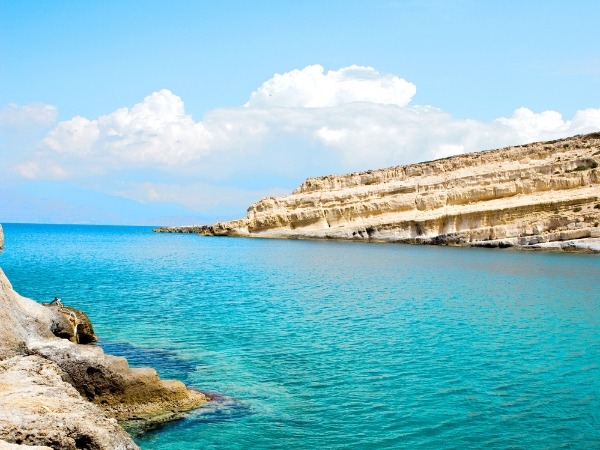
To truly enjoy the "off-season" in Greece, you must look past the shuttered beach resorts and focus on the regions where life is deeply rooted in the landscape, rather than just the tourism industry. While a tiny islet might fall silent in January, Greece’s larger islands and mountainous heartlands are arguably at their most vibrant when the summer heat breaks.
The key to a successful low-season island trip is choosing destinations with large year-round populations. These islands don’t "close"; they simply change their rhythm.
Mainland Greece is a revelation for those who only know the country for its beaches. The Pindus Mountains and central massifs offer an "Alpine" Greek experience.
The Peloponnese is perhaps the most practical off-season choice because it is easily accessible from Athens by car.
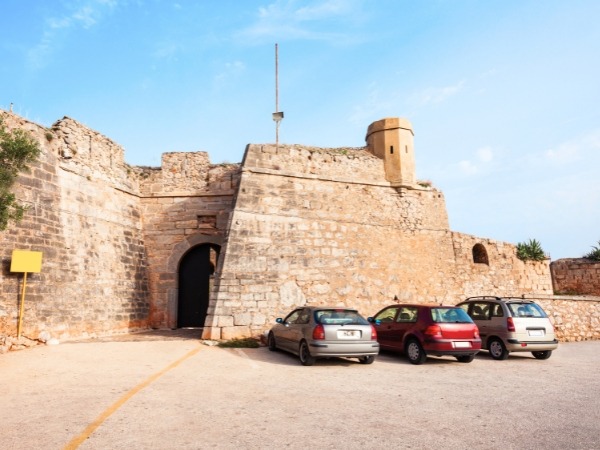
The choice to travel to Greece during the low or off-season is a decision to see the country in its most honest form. It is a transition from being a spectator of a polished tourist product to being a participant in a living culture. It is an invitation to slow down, to breathe, and to discover that the warmth of Greece comes not just from the sun, but from the spirit of the land and its people.
To truly embrace this sense of freedom and to navigate the landscape at your own pace, there is no substitute for your own transport. Public transport in the Greek countryside can be sporadic during the winter months, and many of the most breathtaking viewpoints and secluded mountain villages are inaccessible by bus.
By choosing to rent a car for your Greek odyssey, you grant yourself the liberty to stop or change your itinerary on a whim. Rental rates are at their lowest during this period, making it the most cost-effective way to ensure your journey is as seamless as it is unforgettable. Do not be beholden to a seasonal timetable; take the wheel and discover the hidden wonders of Greece on your own terms. Book a car from Final Rentals today to begin your journey into the heart of the Mediterranean.