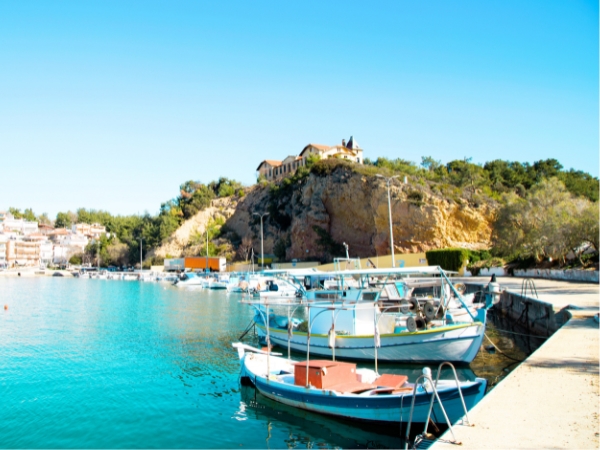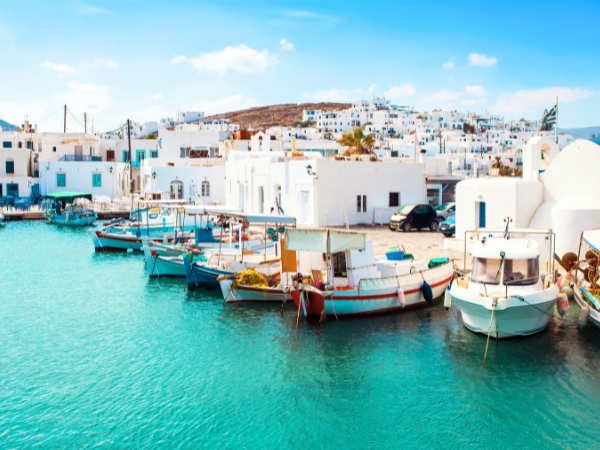
Greece is a land of ancient wonders, sun-drenched islands, and rugged mountain landscapes. From the historic streets of Athens to the hidden coves of the Ionian islands and the dramatic peaks of the Peloponnese, the country offers a diverse tapestry of experiences. While public transport serves the major urban hubs effectively, the true magic of the country often lies beyond tourist spots, in remote mountain villages, secluded beaches, and historic ruins that buses simply cannot reach.
Consequently, renting a car in Greece is often considered essential for travellers who value flexibility and wish to witness the authentic charm of the nation. However, navigating the Greek car rental market as a tourist can be challenging. By understanding the common pitfalls, you can ensure your road trip is defined by breathtaking views and smooth drives rather than unnecessary logistical stress or financial surprises.
When renting a car in Greece, many visitors fall into predictable traps that can lead to administrative issues or unexpected costs. Being aware of these common pitfalls will empower you to navigate the rental process with confidence.
Pitfall: Many travellers incorrectly assume that their local licence is sufficient for driving in any foreign country. While citizens of the European Union can use their driving licences in Greece freely, those visiting from outside the EU are often legally required to possess an International Driving Permit (IDP) alongside their original driving licence. Without this document, you may find yourself denied a vehicle at the rental counter. Furthermore, in the event of a traffic stop by local police, failing to produce an IDP can lead to significant fines or legal complications that could effectively ruin your travel schedule.
Pro-Tip: Obtain your IDP through your home country’s automobile association well before your departure. It is a relatively inexpensive document that acts as a standardised translation of your credentials, ensuring that authorities and rental agencies can process your information smoothly. Remember that an IDP is not a standalone document; it must always be accompanied by your original, physical driving licence.
Pitfall: It is a common temptation to opt for the most basic insurance package available to save on travel costs. Yet, the reality of driving in Greece, particularly in congested city centres or on narrow island streets, means that minor mishaps are common. Parking lot scrapes, stone chips from unpaved roads, or accidental contact with narrow walls can occur even to the most vigilant drivers. Basic insurance often leaves you liable for a substantial excess or deductible, which can amount to thousands of euros in the event of damage.
Pro-Tip: Invest in full or comprehensive insurance coverage with zero or very low excess. While this will increase your daily rental cost, it provides invaluable peace of mind. Given that the costs of repairs in foreign countries can be unpredictable and inflated, the small additional daily premium is a wise investment that protects your travel budget from unexpected liabilities.

Pitfall: A frequent mistake during the process of vehicle collection is the rush to get on the road, leading to a quick or non-existent inspection of the vehicle. If you do not meticulously document existing scratches, dents, or interior stains, you risk being held accountable for them upon your return. This can lead to unpleasant disputes and unfair charges being deducted from your security deposit.
Pro-Tip: Always perform a thorough vehicle inspection before signing any paperwork. Take clear, time-stamped photos and videos of the entire exterior and interior of the car. If the vehicle is dusty, do not hesitate to wipe areas to reveal any hidden scratches. Ensure that the rental agent explicitly notes every single blemish, no matter how minor, on the vehicle condition report. Retaining this evidence will provide you with the necessary proof to protect yourself from unfair charges.
Pitfall: In the age of sophisticated GPS navigation, it is easy to become over-reliant on the estimated arrival times displayed on your screen. However, Greece presents a unique geographical challenge. Much of the mainland and many of the islands are characterised by mountainous terrain, narrow coastal roads, and winding passes that require a much lower average speed than those found in more flat, urbanised regions. A distance that appears as a mere 50 kilometres on a digital map can easily take two hours or more to drive safely.
Pro-Tip: Cultivate a slow travel mindset. Always double the estimated travel time provided by your GPS device. By accounting for the reality of the road conditions, you reduce the stress of being behind schedule and allow yourself the opportunity to enjoy the incredible scenery that defines the Greek landscape. Rushing on winding, unfamiliar roads is not only dangerous but also detracts from the beauty of the journey itself.
Pitfall: Rental agreements often have strict fuel policies, such as Full-to-Full or Pre-purchase. Returning a vehicle with less fuel than agreed upon can result in the rental company charging premium refuelling rates that are significantly higher than local pump prices. Additionally, many tourists make the mistake of assuming that petrol stations are ubiquitous and open 24/7. In remote island regions or rural mountain areas, fuel stations may have limited operating hours and can be few and far between.
Pro-Tip: Clarify your fuel policy upon pickup and adhere to it strictly. The Full-to-full option, which means you receive the car with a full tank and return it the same way, is usually more practical and cost-efficient. More importantly, adopt the habit of never letting your tank drop below half-full when travelling in rural Greece. This simple practice ensures you are never stranded in an area with limited infrastructure, giving you the freedom to explore spontaneous detours without lacking fuel.

What does standard car rental insurance cover? Basic car rental insurance in Greece typically includes mandatory Third-Party Liability (TPL) and a Collision Damage Waiver (CDW), but they come with a high excess amount. Consider purchasing a Zero Excess policy to reduce or eliminate your financial liability.
Are automatic vehicles widely available for rent? While manual vehicles are the standard and are more readily available in Greece, automatic cars can be found at most major rental agencies. However, because supplies are limited, it is highly recommended that you book them in advance, especially during the peak season.
Is it better to pick up my car at the airport or in the city? Picking up your vehicle at the airport is generally more efficient, as it offers a wider selection of rental companies. Additionally, navigating out of major urban centres like Athens can be stressful, making the airport a much more convenient starting point for your journey.
Can I take a rental car on a ferry to other Greek islands? Taking a rental car on a ferry is often restricted, and you must obtain explicit written permission from your rental supplier before attempting to do so. Many companies prohibit this practice entirely or require you to purchase special insurance coverage for the crossing.
What must I do if I receive a parking fine during my trip? You should pay any parking fines promptly at a local post office or the municipal office indicated on the citation. Failing to address the fine yourself may result in the rental company paying it on your behalf and charging you additional administrative fees.
Renting a car in Greece is arguably the most rewarding investment you can make for your vacation, unlocking the freedom to discover the historic wonders of Peloponnese, the majestic mountains of Epirus, or the hidden beaches of Crete at your own pace. While the nuances of Greek driving require a degree of preparation, the experience of navigating the cradle of Western civilisation is an unparalleled adventure.
By avoiding these five common mistakes, you can focus on the spectacular views and rich heritage that await you around every turn. Ready to venture beyond the bus routes? Book your rental car today to secure the best rates and prepare yourself for the unforgettable experience of a Greek road trip.